Service
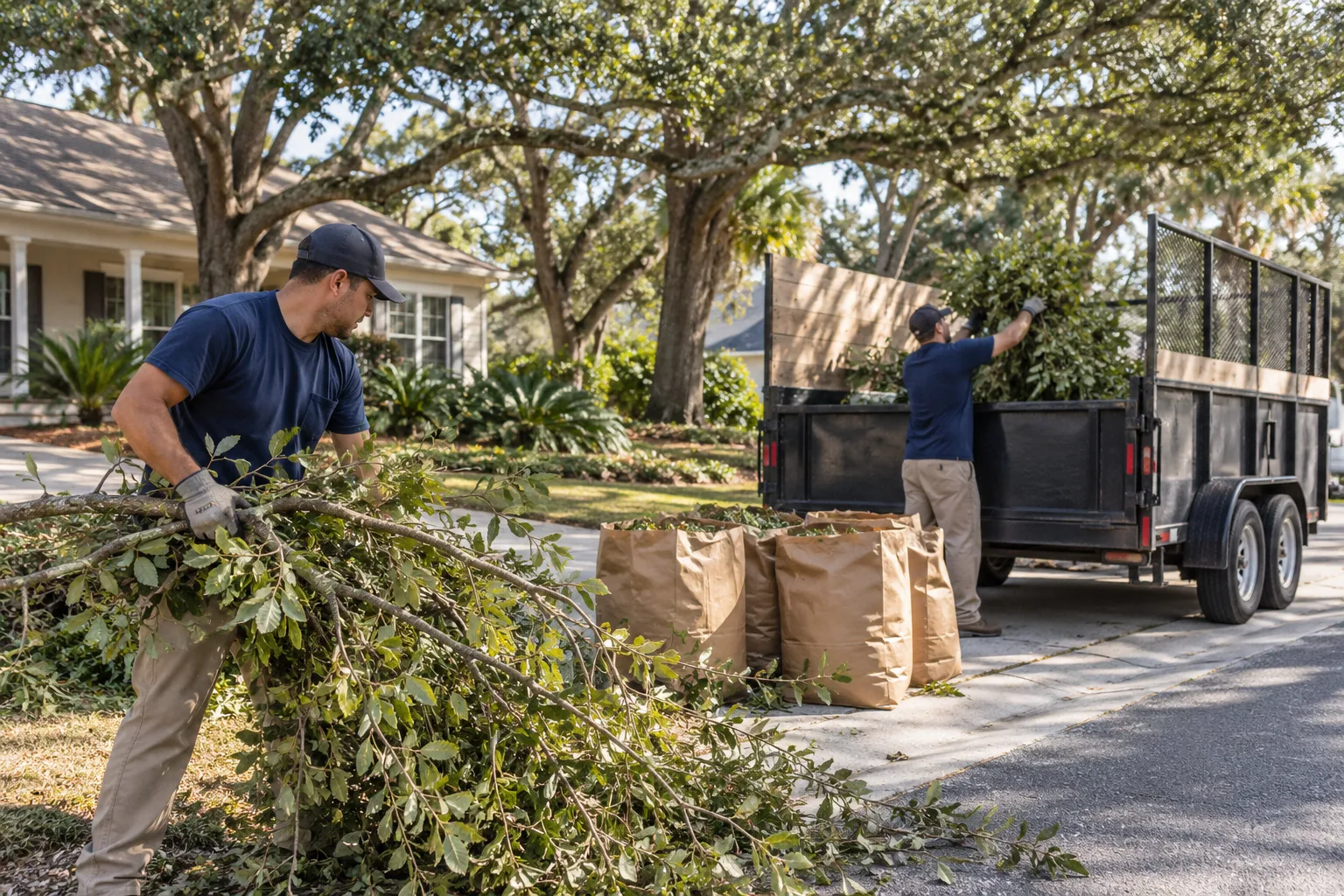
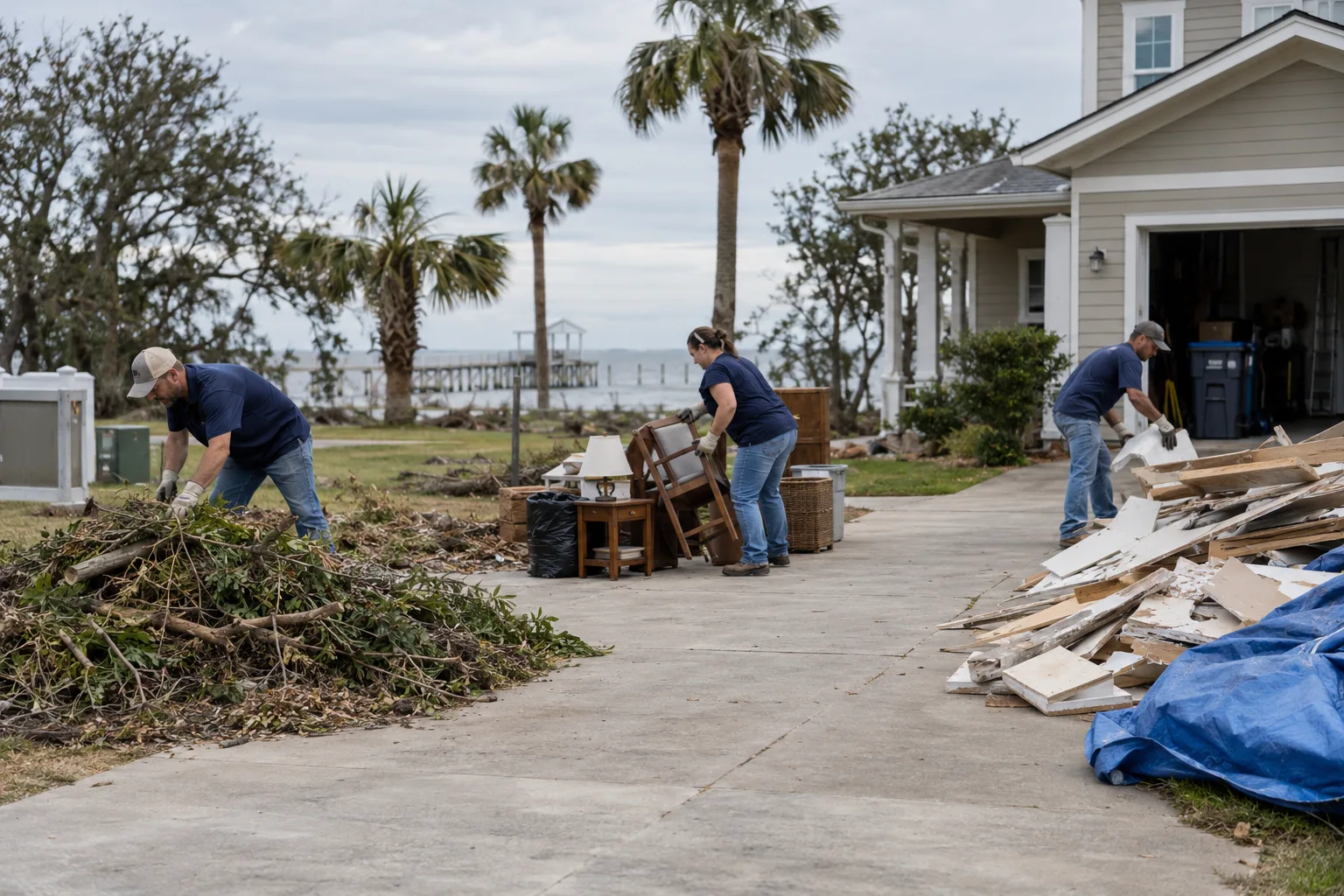
Yard & Storm Debris Removal in Biloxi
Debris should be separated by material and kept away from roads, hydrants, meters, and utility equipment. Never touch or move material near a downed line; contact the proper utility or emergency authority first.
Common pickup scope
- Branches, brush, and bagged yard material
- Separated non-hazardous storm debris
- Small outdoor-item loads
- Loading from a safe, accessible staging area
Prepare the access
- Photograph storm damage before cleanup if needed for a claim
- Keep vegetative, construction, appliance, and electronic debris separate
- Do not block the road or place piles against utility fixtures
- Call the utility before approaching downed lines
How the job moves
Call with the address, largest items, rough quantity, access conditions, and preferred time. The scope is reviewed before loading starts. If the crew finds a material or access condition that was not described, the plan may need to change before work continues.
Same-day availability is never automatic. Route position, travel, disposal rules, load size, and a safe working window all matter.
Related guide
Use the checklist before you call so the first conversation can focus on availability and fit.
What may be outside the pickup?
Hazardous waste, unknown liquids, active fuel containers, biohazards, unstable structures, and material near live utilities require separate review. Do not hide questionable items in bags or boxes.
What should I photograph?
Capture the overall pile, the largest items, and the route out. Add a doorway or stair photo when the turn is tight.